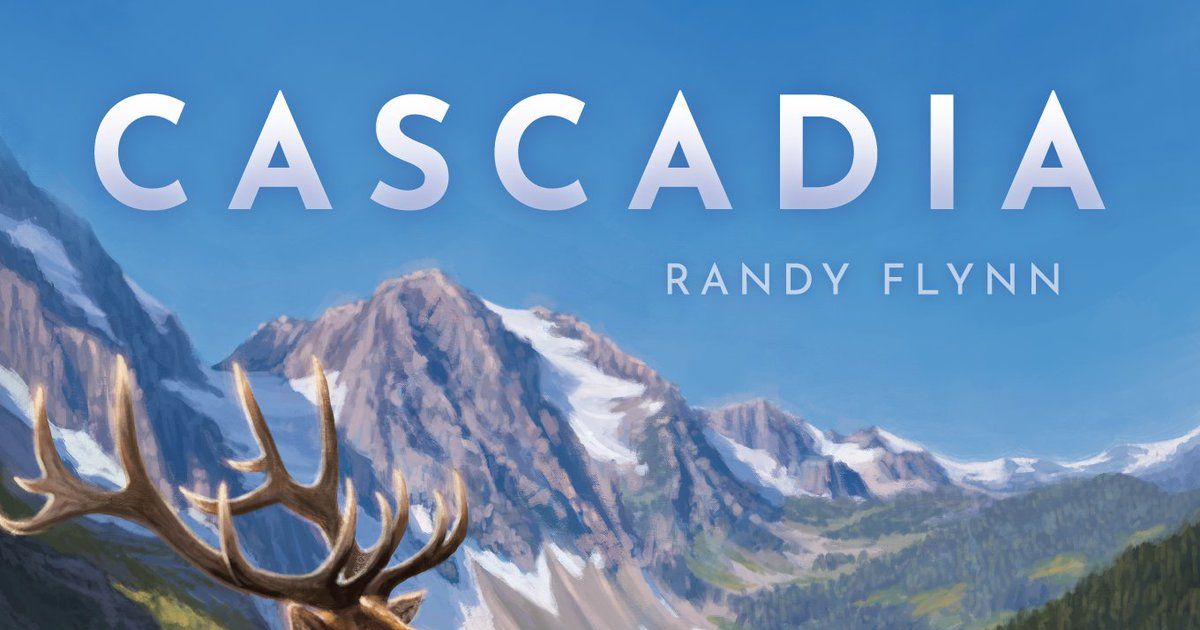
you draft a habitat tile and an animal token together, place the tile touching your existing spread, and slot the animal onto any open tile it’s allowed to sit on, chasing longest-terrain-chain scoring for the land and separate quirky rules per species for the animals. that’s genuinely the whole game, and I mean that as a compliment, not a knock. it’s the kind of ruleset you can teach in five minutes and still find real decisions inside twenty games later.
the animal scoring is where the actual puzzle lives, and it’s smarter than it looks at a glance. each species scores completely differently, some want to be alone, some want pairs, some want to cluster in specific patterns, and juggling five different scoring logics against your one shared board is where the “simple decisions, yet crunchy” description I’ve seen applied to it actually earns itself.
I checked the solo mode out specifically because I was curious whether it would feel like an afterthought, and it doesn’t, it’s literally the same rules as standard play with no bolted on extra system, which I found refreshing rather than lazy. some solo modes overcomplicate themselves trying to simulate an opponent; this one just trusts the core puzzle to be enough on its own, and it mostly is.
I understand the criticism that it’s low interaction, closer to multiplayer solitaire than a game where you’re actually fighting over the same space, everyone’s drafting from the same market row but otherwise building their own separate habitat. that’s a fair complaint if you want real conflict at your table. it’s not what I come to this game for, I want the quiet puzzle, and on those terms it delivers every time.
four stars. it won’t satisfy someone craving real player interaction, but as a laid back, gorgeous, endlessly replayable puzzle it’s one of the most reliable things in my collection.