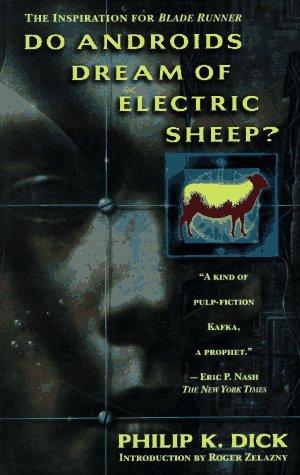
I went in braced for it not to be Blade Runner, because everyone who’s read it says that first, like a warning label. it isn’t. it’s slower, weirder, and much more interested in a fake religion involving a man endlessly climbing a hill than it is in the noir detective stuff the movie leaned into. once I stopped expecting one book and let it be the other one, it worked on me a lot better.
Deckard’s job is straightforward on paper, retire six andys, collect the bounty, and the book keeps circling back to whether the empathy test he uses to sort humans from androids actually measures anything real. that’s the whole spine of it for me. not “who’s secretly a robot,” which is the twisty-thriller read, but “what happens to the definition of empathy once you’ve built a machine that can fake it convincingly.” the empathy box itself, this shared hallucinatory ritual everyone plugs into, is such a strange and specific idea and I haven’t been able to shake it.
I’ll admit Dick’s prose grated on me in places, somebody online called it an adverb factory that blew up inside the book and I felt that exact complaint more than once, characters described with odd little adjective piles that don’t always earn their space. and the gender stuff has aged badly, I won’t pretend otherwise. but the ideas underneath keep winning the argument against the sentence-level stuff that bugs me.
the animals got me more than I expected going in. owning a real animal instead of an electric one is the entire status economy of this world, and there’s something quietly devastating about a society that’s rebuilt “caring about a living thing” into a luxury good. I looked up from the book at one point and thought about how that’s not even that far off from where we actually are.
four stars. not a perfect read, sentence by sentence, but it’s stayed lodged in my head longer than plenty of books I enjoyed more while I was in them, which has to count for something.